Every cat owner dreads the thought
of their pet being poisoned. The good news is that most cases
of pet poisoning are preventable with a little forethought and preparation.
"Keep the Animal Poison Control Center's number handy because the sooner treatment is started, the better a cat's chances of survival."
The Top Ten Substances that Poison Pets
According the Animal Poison Control Center, the substances that most frequently sickened
pets in 2009 were:
- Human Medications –
Because of their small size and unique metabolism, cats can be very
sensitive to human medications. Keep prescriptions and over the
counter drugs in an inaccessible location. If you drop pills,
find them before your cat does.
- Insecticides – The
misuse of flea and tick control medications is widespread. Follow
the directions on the label closely and never use a product designed
for dogs on cats. When using an insecticide in the house or yard,
keep pets away from the area for the recommended period of time.
- Plants – Landscape or
house plants can be poisonous to pets when ingested. Lilies, sago
palms, azaleas and rhododendrons are frequent culprits. The American
Society for the Prevention of Cruelty to Animals has put together a list of toxic and safe plants for cats.
- Pet Medications –
Keep your cat's medications safely locked away. Many are flavored
to make them appealing to pets, and overdoses can be fatal.
- Rodenticides – The
baits used to attract and kill rodents smell and taste very good to
cats as well. Never use these chemicals anywhere a pet can
reach them.
- Cleaning Solutions –
Bleach, detergents and other cleaners and disinfectants can make cats
sick when they are ingested or inhaled.
- Heavy Metals – Lead
in old paint, zinc in pennies and other sources of heavy metals can
sicken and kill cats that eat them.
- Lawn and Garden Products
– Look for warnings regarding pet exposure on fertilizers and other
chemicals used in the yard.
- Miscellaneous Chemicals
– this category includes antifreeze that contains ethylene glycol,
paint thinner, drain cleaners, etc.
Poison Prevention
Protecting cats from potential poisons
is not always easy, but it is an essential part of being a good pet
"parent." First of all, keep your cat indoors, not only to keep
her away from toxic substances but also to protect her from injury,
loss and infectious diseases.
Next, know what you have in your
house. If you find that you own poisonous plants, consider removing
them or placing them in a part of the house where your cat cannot go.
Keep all medications, household cleaners, insecticides, rodenticides,
lawn care products, and other chemicals behind closed and preferably
locked doors. Do not feed your cat human food without first being
absolutely sure that is safe for her.
Veterinary Care for Accidental Poisonings
If your cat does get into something,
call your veterinarian or the Animal
Poison Control Center (1 888 426 4435). They may direct you to induce vomiting, so keep
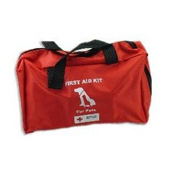
3% hydrogen peroxide and a turkey baster or large syringe in your first aid kit. Never induce vomiting without first
speaking to a veterinarian. Depending on what your cat has gotten
into, vomiting may or may not be in her best interest.
The Animal Poison Control Center's hot line is staffed 24 hours a day, 365 days a year by veterinarians
and veterinary toxicologists who, for $65 dollar fee, can guide you
and your veterinarian through the appropriate treatment of your cat.
Keep the phone number handy because in most cases of pet poisoning,
the sooner treatment is started, the better a cat's chances of survival.
The above is provided for information purposes only and should not be used for the diagnosis or treatment of any condition.
This information does not cover all possible variables, conditions, reactions, or risks relating to any topic, medication, or product and should not
be considered complete. Certain products or medications may have risks and you should always consult your local veterinarian concerning the treatment of
your pet. Any trademarks are the property of their respective owners.