Vomiting is a symptom of many different
diseases, and depending on its underlying cause, it may be a short-lived
annoyance or a sign that major troubles are afoot.
"If your cat has vomited a few times but is not in any distress, you can try treating her at home."
When Should Owners Be Concerned?
If your cat has vomited just a few
times but is otherwise behaving normally, you probably do not need to
rush her in to see the veterinarian. Very likely your cat has
just eaten something that does not agree with her or has ingested some
fur and her symptoms will pass. But, if your cat's vomiting
does not resolve in a day or two, or if she is very young, very old
or has a health condition that could make her unable to handle even
a mild bout of vomiting, call your vet immediately.
Gastrointestinal symptoms that warrant
a quick trip to the veterinarian include:
- The sudden onset of severe vomiting
- The presence of blood in the vomit
- Abdominal pain
- Weakness
- Changes in your pet's level of awareness
- Severe diarrhea
- The inability to drink and hold down water
The Causes of Vomiting in Cats
The list of diseases that can cause
a cat to vomit is very long:
- Intestinal
parasites
- Hairballs
- Dietary indiscretion
- Inflammatory bowel disease
- Motion
sickness
- Gastrointestinal foreign
bodies or other blockages
- Viral or bacterial infections
- Organ dysfunction (e.g.,
pancreatitis, kidney disease or hyperthyroidism)
- Food allergies or intolerance
- Some types of poisonings
- The side-effects of treatment
with certain drugs
- Cancer
Coming to a definitive diagnosis often
requires a thorough health work-up, which may involve blood work, a
urinalysis, fecal examinations, x-rays, abdominal ultrasound, specialized
laboratory tests, and even exploratory surgery or endoscopy with tissue
biopsies.
Treatment for Vomiting
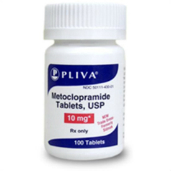
If your cat has vomited a few times
but is not in any distress, you can try treating her at home.
Take away all sources of food and water for six to eight hours.
If she does not vomit during that time, give her a small amount of water
or an electrolyte
solution. If she
can hold that down, give her a dose of hairball
remedy and offer a small
meal of her regular food. If after a few hours, she has not vomited
you can go back to her normal feeding schedule, but do not let her eat
too much at a single sitting. If at any point during this process
she starts to vomit again, see your veterinarian.
Whenever possible, treatment for vomiting
should be aimed at an underlying condition, but symptomatic therapy
may be necessary while a cat is recovering or if a cause cannot be found
or adequately resolved. In these cases, your veterinarian may
prescribe a special diet and anti-nausea
medications.
The above is provided for information purposes only and should not be used for the diagnosis or treatment of any condition.
This information does not cover all possible variables, conditions, reactions, or risks relating to any topic, medication, or product and should not
be considered complete. Certain products or medications may have risks and you should always consult your local veterinarian concerning the treatment of
your pet. Any trademarks are the property of their respective owners.